Insurance plays an important role in protecting the financial interests of both individuals and organizations from unforeseen circumstances. Every day, people around the world face situations that can lead to serious financial losses or personal injury. In such cases, an insurance policy becomes a tool that helps mitigate the impact of the incident. One of the key concepts in this area is the insured event – it defines the moment when the insurance company is obligated to provide payment. Understanding this term allows parties to correctly navigate the conditions of the contract and reduces the risk of disputes in the event of adverse circumstances. If you don't understand what events are considered an insured event, you may be denied compensation even if you have a valid policy. Therefore, knowledge of the basics of this concept is essential for anyone who is planning to use insurance coverage.
What an insured event is
An insured event is an occasion specified by a contract or law, upon the occurrence of which the insurance company is obligated to compensate for damages. It can be related to any type of loss or damage, if the specific situation meets the terms of the policy. For a car owner, this can be an accident, for a health insurance holder - a sudden illness. It is crucial that such an event be accidental and unintentional: it cannot be planned in advance or be inevitable. An insured event differs from an insurance risk, which merely denotes the possibility of a negative event, whereas an event is a circumstance that has already occurred and requires the insurer's response. An event includes both the incident itself and its consequences - property damage, personal injury, or financial losses, that are reimbursable within the limits specified in the policy.
Different types of insurance claims:
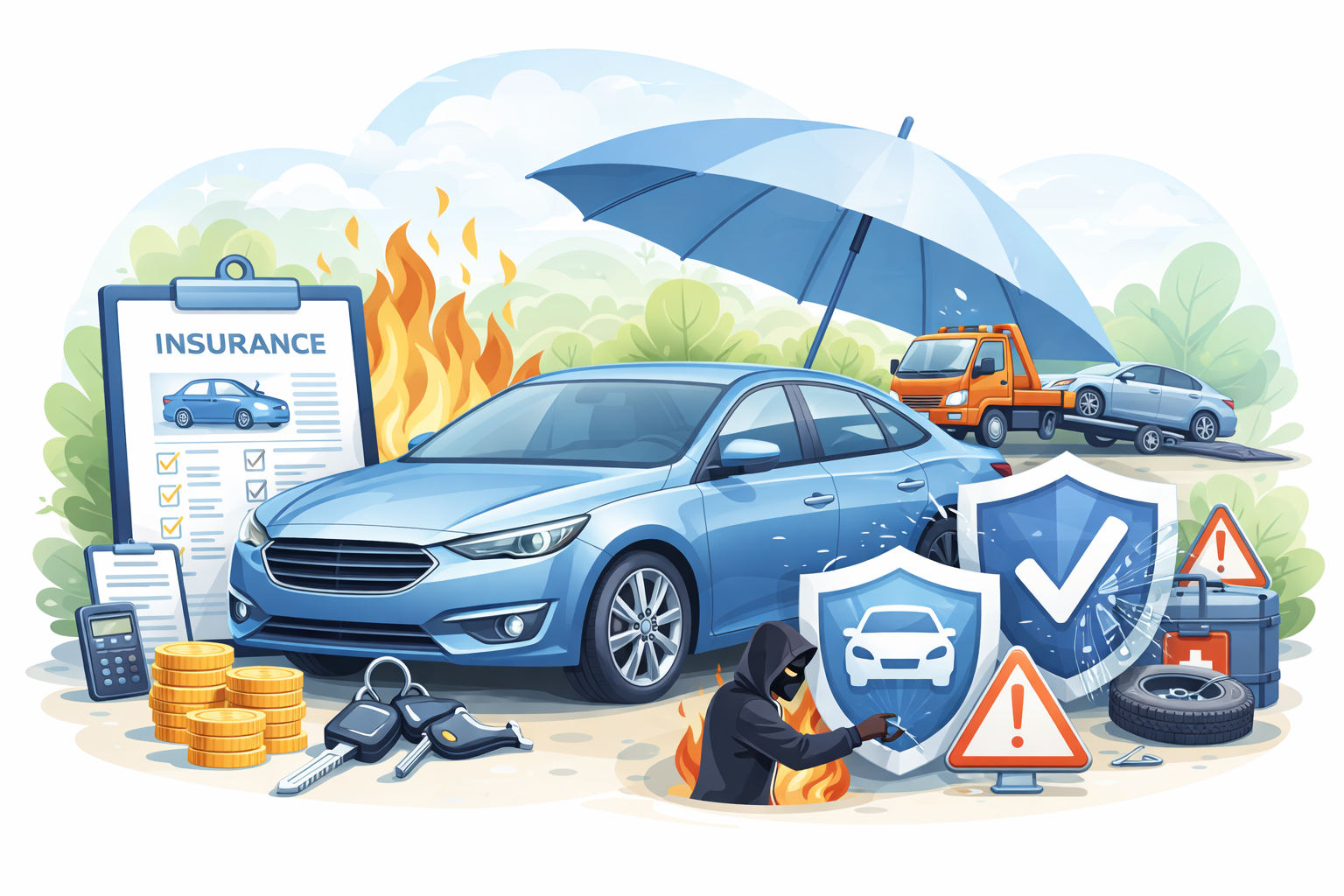
- Property insurance. This includes situations involving damage or loss of property – real estate, vehicles or cargo. The examples are fire, flood, theft, as well as events covered by comprehensive insurance (CASCO): accidents, theft or harm caused by natural disasters;
-
- Personal insurance. In this category, insured events affect human life and health. They can be illness, injuries, disability, as well as situations covered by travel insurance, including medical expenses abroad or insurance for personal documents against loss;
-
- Public-liability insurance. This type of insurance applies when the insured causes harm to third parties. For example, CCLIVO (Compulsory civil liability insurance for vehicle owners) covers damage in an accident, while other policies protect against liability for damage caused to someone else’s property or health.
The insured event occurs when an incident clearly defined in the policy takes place and it results in damage that must be compensated. This can be a sudden accident, illness or other unforeseen occurrence, if it meets the criteria of chance and is not the result of intent. The insurer must be informed in a timely manner for confirmation – usually within a few days – to avoid denial. The most commonly requested papers are passport or other identification document, the original policy, a notification about insurance event occurrence, and documents from the relevant authorities: a report from the management company in the case of a flood, a medical discharge in the case of an injury, an accident report, and other proofs. In some situations, photographic evidence of the damage or an expert assessment of the loss may be required. Based on the complete set of documents, the insurer makes a payment decision, typically within 30 days.
Events excluded by insured events
Not every incident is automatically considered as an insured event, even if it results in losses. For example, events caused by the intentional actions of the insured or third parties – such as deliberate fires or fraud – are not covered. Also, the consequences of military action, nuclear accidents, mass riots or natural disasters are not covered unless such events are included in the policy. Incidents occurring during the period when the policy has not been paid or has expired will also not be considered an insured event.
Furthermore, the insurer reserves the right to refuse coverage if established procedures are violated, such as late notification, missing required documents or misrepresentation of information. Health insurance typically does not cover chronic conditions known at the time of contracting, as well as alcohol-related injuries, if such restrictions are specified in the policy.